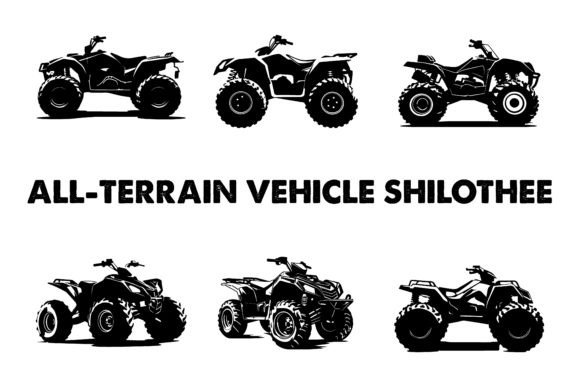
All Terrain Vehicle Vector: The Ultimate Guide for Creative Use
Whether you're a graphic designer, marketer, or hobbyist artist, an All Terrain Vehicle Vector (ATV) can be a versatile and valuable addition to your creative toolkit. These vector graphics represent ATVs in various forms—silhouettes, detailed outlines, and stylized illustrations—and are used across industries for everything from web design to product packaging. However, using these files effectively requires more than just downloading them; it demands understanding their types, uses, and limitations.
Understanding All Terrain Vehicle Vectors
An All Terrain Vehicle Vector is a scalable digital illustration of an ATV that maintains clarity at any size. Unlike raster images like JPGs or PNGs, vectors are made up of points and paths rather than pixels, making them ideal for high-quality printing and digital applications. You'll often find them in formats such as EPS, SVG, or AI, which allow for easy editing in vector-based software like Adobe Illustrator or Inkscape.
The most common type is the black silhouette vector of an ATV. This simple yet powerful representation works well in minimalist designs, where the shape of the vehicle speaks louder than color. It's also useful when you want to overlay text or other elements on top of the image without worrying about background colors or textures.
Common Mistakes When Using ATV Vectors
Many users make mistakes when choosing or applying an All Terrain Vehicle Vector, especially if they're new to vector graphics. Here are some of the most frequent errors and how to avoid them:
- Choosing the wrong file format: Some designers download an EPS file thinking it’s compatible with all software, only to find out later it won’t open properly. Always check the compatibility of the vector format with your design tools before purchasing or downloading.
- Ignoring resolution needs: While vectors scale infinitely, there are still best practices for exporting them into specific formats. For example, if you plan to print a brochure using an ATV silhouette, ensure the final output is in high-resolution JPG or PNG for crisp results.
- Overlooking licensing terms: Not all vector files are free for commercial use. Before using an ATVSilhouette or VectorATV in marketing materials, verify whether the license allows for personal or business use. Some platforms offer premium downloads with unrestricted rights.
- Using low-quality derivatives: A transparent PNG might look good online but could lack the detail needed for large-format prints. Always start with a high-resolution source file and export carefully based on the intended use.
Real-World Applications of ATV Vectors
Here are several practical ways to use an All Terrain Vehicle Vector in your projects:
Graphic Design Projects
ATV silhouettes are perfect for posters, flyers, and brochures promoting outdoor events or adventure products. They add visual interest while keeping the layout clean and professional. For instance, a local off-road event might feature a bold SilhouetteOffRoad as a central graphic, complemented by minimal text and vibrant colors.
Web and App Design
In web design, a simplified ATVIcon can serve as a category symbol for a store selling outdoor gear. Similarly, app developers may use a VectorAllTerrainVehicle as a logo or section divider. Always consider the scalability and clarity of the vector in different screen sizes and resolutions.
Merchandise and Branding
Businesses often use ATV vectors on merchandise like t-shirts, mugs, and stickers. A VectorATVDesign with a strong outline ensures the image remains legible even after shrinking for embroidery or screen printing. Avoid overcomplicating the design; simpler shapes work better for physical products.
Advertising Campaigns
For social media ads or billboards, using a high-resolution JPG of an ATV can enhance visibility and professionalism. Make sure the image aligns with the campaign’s tone and message. A rugged ATVDrawing in a muted palette might suit a serious promotional video, while a colorful ATVArt could catch attention in a fun ad for a youth-oriented brand.
Better Approaches and Practical Tips
To get the most out of your VectorOffRoading assets, follow these guidelines:
- Start with the right format: If you need to edit the design, go for an editable vector file like EPS or SVG. If you’re looking for quick use, choose a transparent PNG or high-res JPG.
- Optimize for purpose: An ATV silhouette used as a website icon should be simplified and have a clear contrast. On the other hand, a VectorTransport for a game graphic might require more intricate details.
- Check for copyright: Many free vector sites provide limited-use content. For commercial purposes, invest in a licensed VectorOffRoader to avoid legal issues down the line.
- Test before finalizing: Print a sample version of your design or preview it on multiple devices to ensure the ATVSilhouetteVector looks consistent everywhere.
Example Workflow
Imagine you're creating a poster for a motorsports event. You might begin with a VectorAllTerrainVehicle downloaded in EPS format. After customizing the lines and adding your branding, you export it as a transparent PNG for digital sharing and as a high-res JPG for printing. This way, you maintain quality across both mediums and avoid unnecessary rework.
What to Check Before Using Your ATV Vector Files
Before incorporating any OffRoadIllustration or ATVContour into your project, consider the following:
- Intended use: Will it be printed? Displayed online? Used in merchandise?
- Resolution requirements: High-resolution JPGs are typically safe for print, while transparent PNGs work best for digital overlays.
- Color scheme: Silhouettes are great for monochrome themes, but colored vectors can help match your brand identity.
- Software compatibility: Confirm that the vector format you’ve chosen will work seamlessly with your design software.
- Licensing: Read the fine print to understand what you can and cannot do with the asset.
Why Choose Vector Files Over Raster Images
Raster images like JPGs and PNGs can become blurry when scaled up, especially if the original resolution isn't sufficient. Vector files, however, retain sharpness regardless of size. This makes them ideal for logos, icons, and any design element that needs to be resized frequently. Additionally, vectors can be easily modified, allowing you to adjust colors, proportions, or styles without losing quality.
If you're working on a presentation or infographic, a VectorVehicle can be manipulated to fit different slide sizes or to highlight certain features. For educational materials, a VectorOffRoad can be layered with text or diagrams to explain mechanical components or terrain capabilities clearly.
Where to Find Quality ATV Vectors
There are many reputable sources for All Terrain Vehicle Vectors. Look for platforms that specialize in royalty-free or premium vector art, such as Shutterstock, Adobe Stock, or Freepik. These sites often categorize their assets under terms like ATVGraphic, VectorATV, or OffRoadVehicleSilhouette, helping you find exactly what you need.
When searching, pay attention to user ratings and reviews. A highly rated ATVClipart is more likely to meet your expectations in terms of detail and usability. Also, consider the style—whether it's realistic, cartoonish, or abstract—to match your project's aesthetic.
Final Thoughts on Using ATV Vectors
While VectorATVDesign assets are incredibly useful, they aren’t a one-size-fits-all solution. Choosing the right format, ensuring proper resolution, and respecting licensing agreements are key steps to success. By avoiding common pitfalls and using these vectors thoughtfully, you can elevate your designs, communicate more effectively, and create visually compelling content across all platforms.
Remember, the goal isn’t just to use an All Terrain Vehicle Vector, but to use it wisely. Whether you're crafting a billboard, designing a website, or producing merchandise, taking the time to evaluate and prepare your assets will save you effort, money, and frustration in the long run.